First-Response SLA Reports for Home Service Leads: Measure Speed Without Gaming the Team
Build This In Joby
Speed-to-lead matters in home services, but first-response reporting gets messy when the team measures the wrong thing. A two-second auto-reply is not the same as a useful response. A missed call text-back may save a lead, but only if someone books, qualifies, or routes the customer afterward.
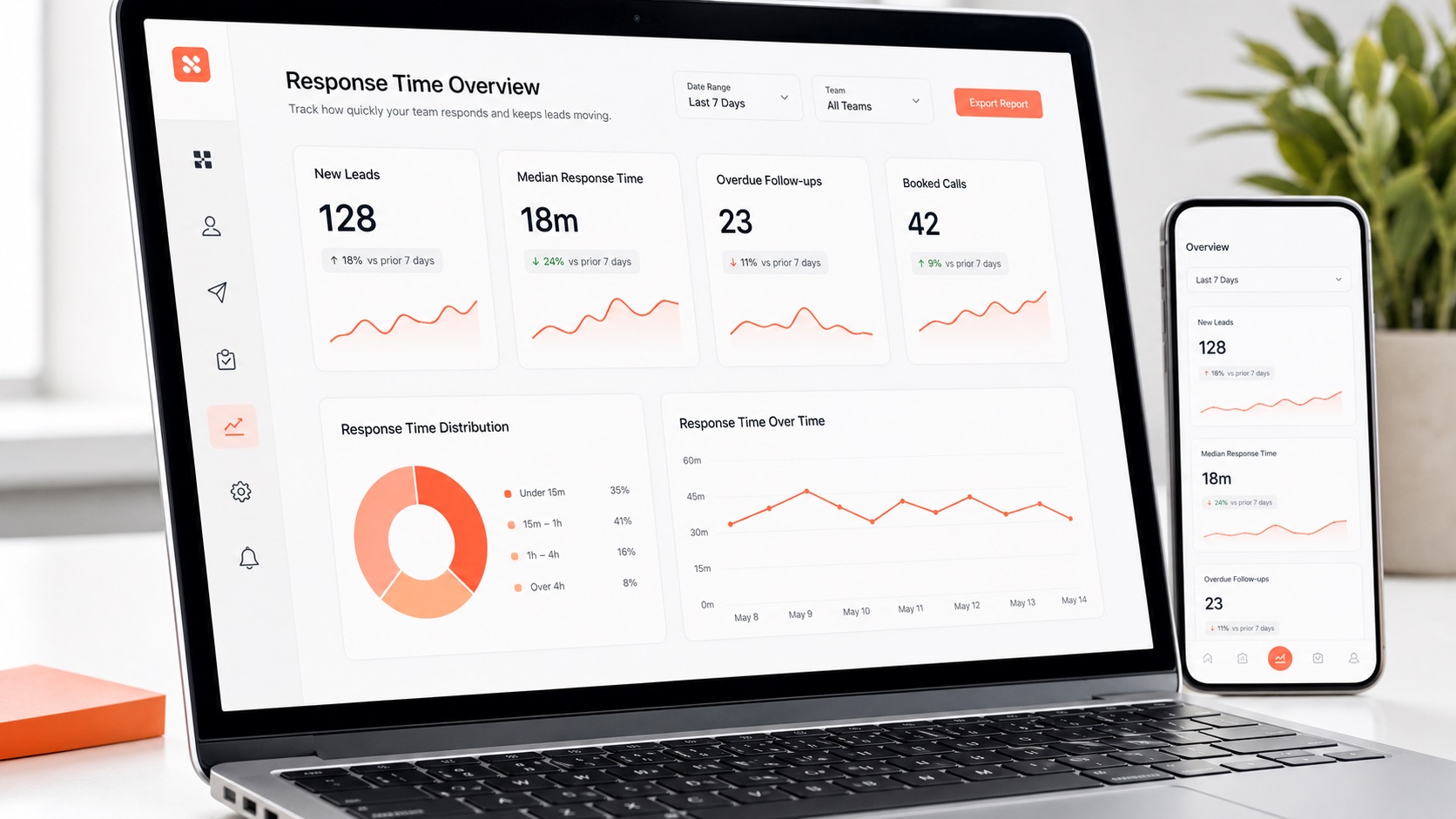
A first-response SLA report should measure how quickly the team makes a meaningful first touch and which leads are still waiting. The report needs enough detail to guide coaching without encouraging reps to game the metric with empty activity.
Define the first meaningful response. Decide what counts: answered call, outbound call attempt with disposition, two-way text, email reply, booked appointment, or qualified handoff. Automated acknowledgments can be useful, but they should be tracked separately from human follow-up if the business wants an honest operating metric.
Segment leads by urgency and channel. An emergency plumbing call, a roofing form fill, a maintenance-plan renewal, and a price-shopping email should not all share the same response rule. Build SLA targets by source, job type, daypart, and service line so the report reflects real operational priority.
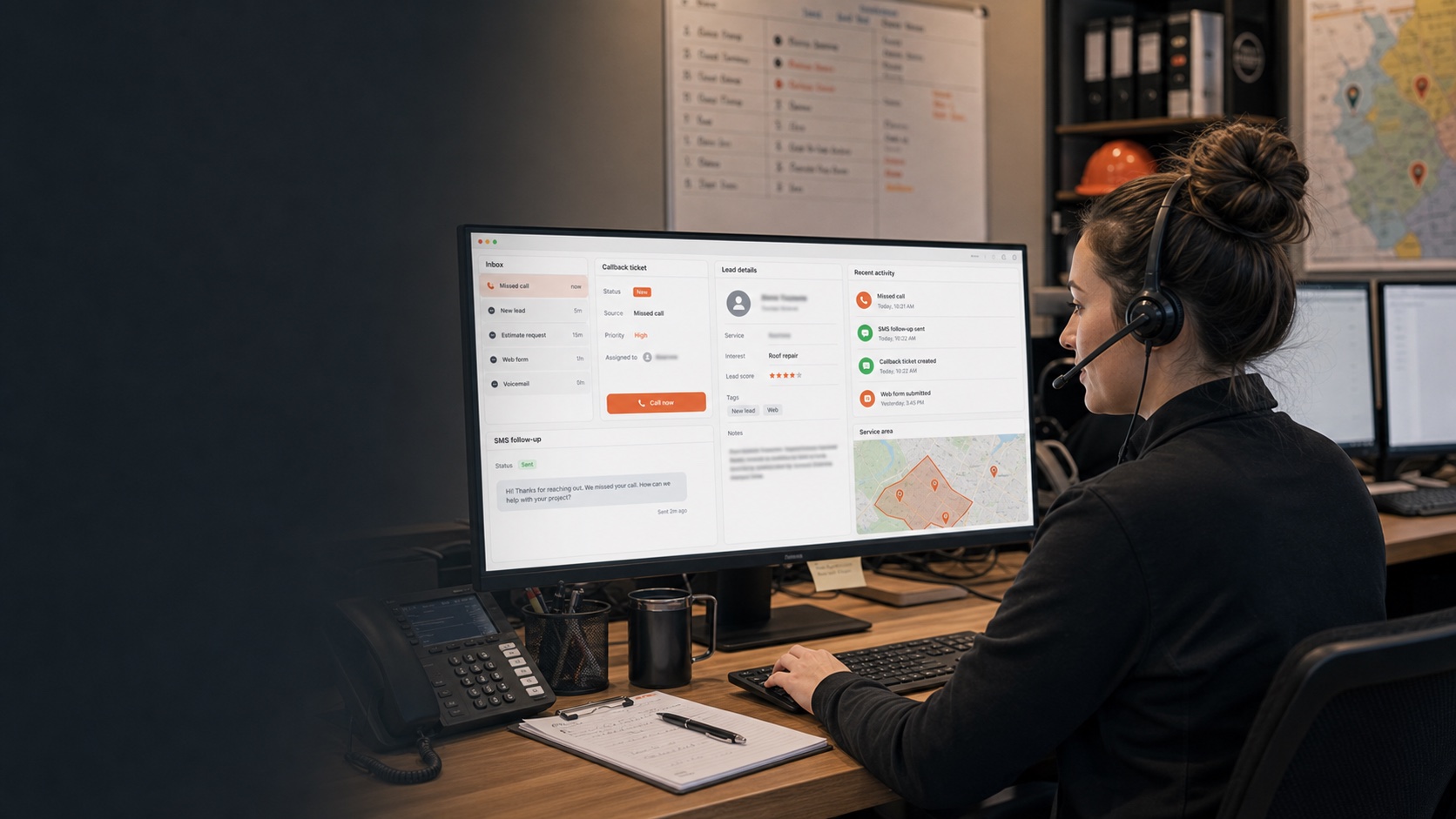
Track open leads that are aging right now. Historical averages are useful, but the team needs a live worklist of leads that are outside target or close to slipping. That view should show owner, source, last touch, next task, and current status so a manager can intervene before the lead is lost.
Measure both speed and outcome. Fast response is not enough if the lead does not book, qualify, or move to an estimate. Pair response time with booking rate, estimate rate, cancellation rate, and revenue by lead source. That keeps the team focused on useful response, not just fast clicking.
Protect after-hours expectations. If the business promises emergency coverage, after-hours leads need a different SLA and escalation path. If it does not, the response message should set honest expectations. Reporting should distinguish after-hours performance from staffed-hour performance.
Review misses without shaming the queue. SLA misses can come from understaffing, bad routing, weak notifications, unclear ownership, or poor lead quality. A weekly review should identify the system reason before blaming individual reps. The fix may be a routing rule, phone coverage change, or clearer stage definition.
How Joby supports the workflow. Joby helps teams manage leads, calls, texts, tasks, pipeline stages, and reporting in one CRM. That gives owners a cleaner way to review response behavior and follow-up gaps. The company still needs to define its SLA policy and what counts as a meaningful first touch.
The bottom line. First-response SLA reports work when they measure useful contact, segment urgent work, surface aging leads, and connect response speed to outcomes. The best report helps the team save live opportunities instead of explaining lost ones later.