
Service Callback Workflow: When Should the Original Technician Return?
Build This In Joby
A customer calls two days after a repair because the same symptom returned. The office now has two decisions to make quickly: how to take care of the customer and who should make the return visit. Sending the original technician can preserve continuity, but it is not always the fastest or safest choice.
A dependable service callback workflow uses the job record, symptom, urgency, technician availability, and required skill to make that decision. It also separates workmanship callbacks from unrelated failures. That distinction matters for customer communication, technician coaching, scheduling, and profitability.
Start with a neutral callback intake. Ask what is happening now, when it restarted, whether the equipment is operating, and whether there is any safety or property risk. Confirm the original job and capture photos or video when useful. Avoid promising that the prior repair failed before a qualified person reviews the evidence.
Classify urgency before technician ownership. A no-heat call in freezing weather, active water leak, electrical hazard, or security issue should be routed by response capability first. Continuity is valuable, but the original technician should not become a bottleneck when the customer needs immediate help.
Use an original-technician-first rule with exceptions. The first technician often knows the diagnosis, access conditions, parts used, and customer conversation. Prefer that technician when the visit can happen within the callback service level. Reassign when the technician is unavailable, the job needs a different license or specialty, or a supervisor should inspect the work.
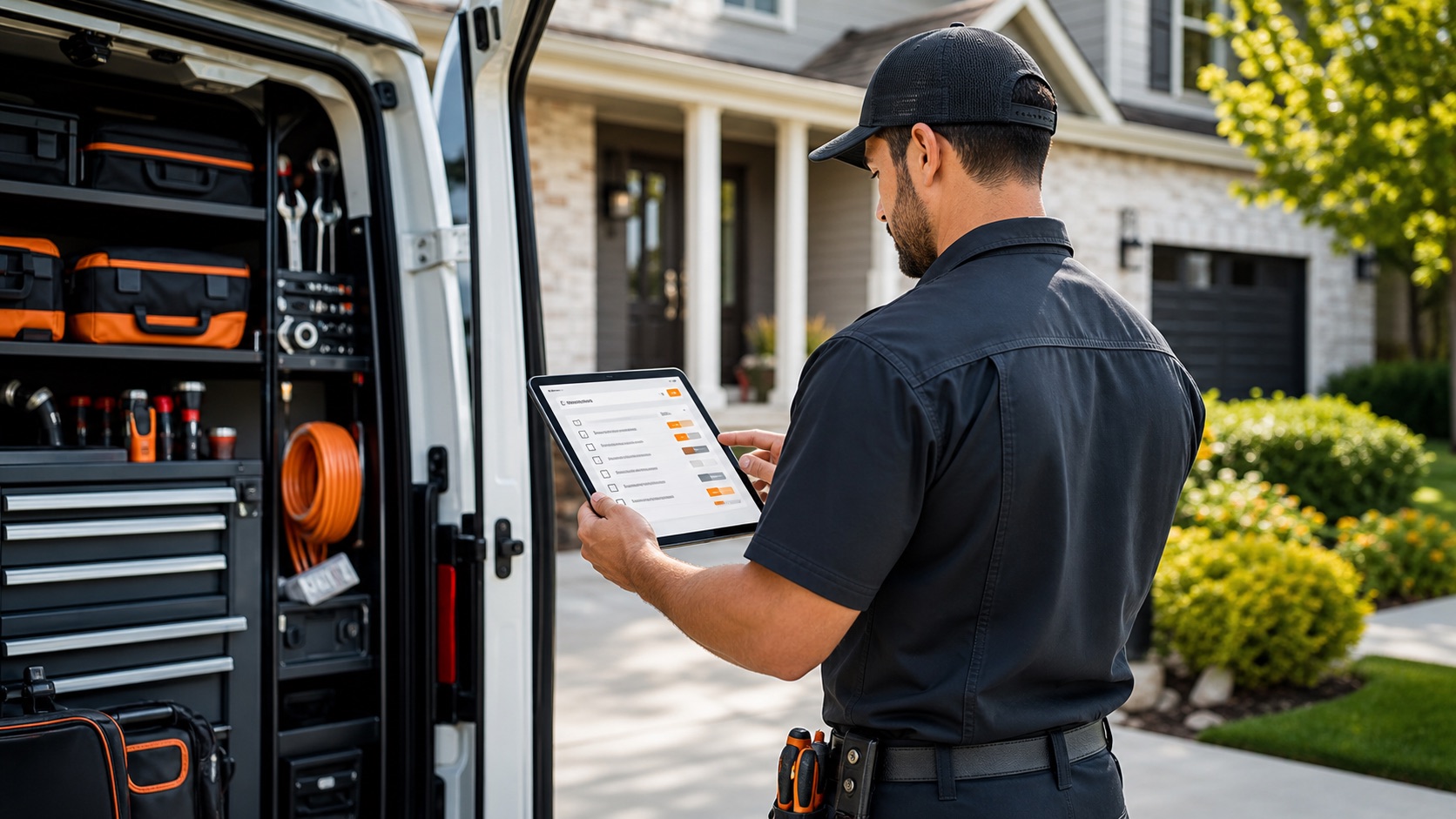
Send the complete history with the return visit. The assigned technician needs the original complaint, diagnosis, work performed, parts, photos, notes, estimate scope, payment or warranty context, and the customer's current description. A callback without context wastes the first part of the visit and can make the customer repeat the story.
Give the customer one clear expectation. Explain who is coming, the arrival window, whether the visit is being evaluated for warranty coverage, and what happens if the issue is unrelated. Do not debate responsibility on the phone. The field assessment should establish cause before the office makes a billing decision.
Require a callback closeout reason. Useful outcomes include original issue unresolved, workmanship correction, failed replacement part, new unrelated fault, customer-use question, or no problem found. Pair the reason with notes, photos, action taken, and any follow-up task. Consistent reasons turn repeat visits into operational evidence.
Review patterns without creating a blame scoreboard. Managers should compare callbacks by job type, diagnosis, part, technician, time to return, and resolution. Look for training gaps, weak closeout documentation, rushed scheduling, supplier issues, and recurring equipment conditions. Use technician-level data with job context and enough volume to be fair.
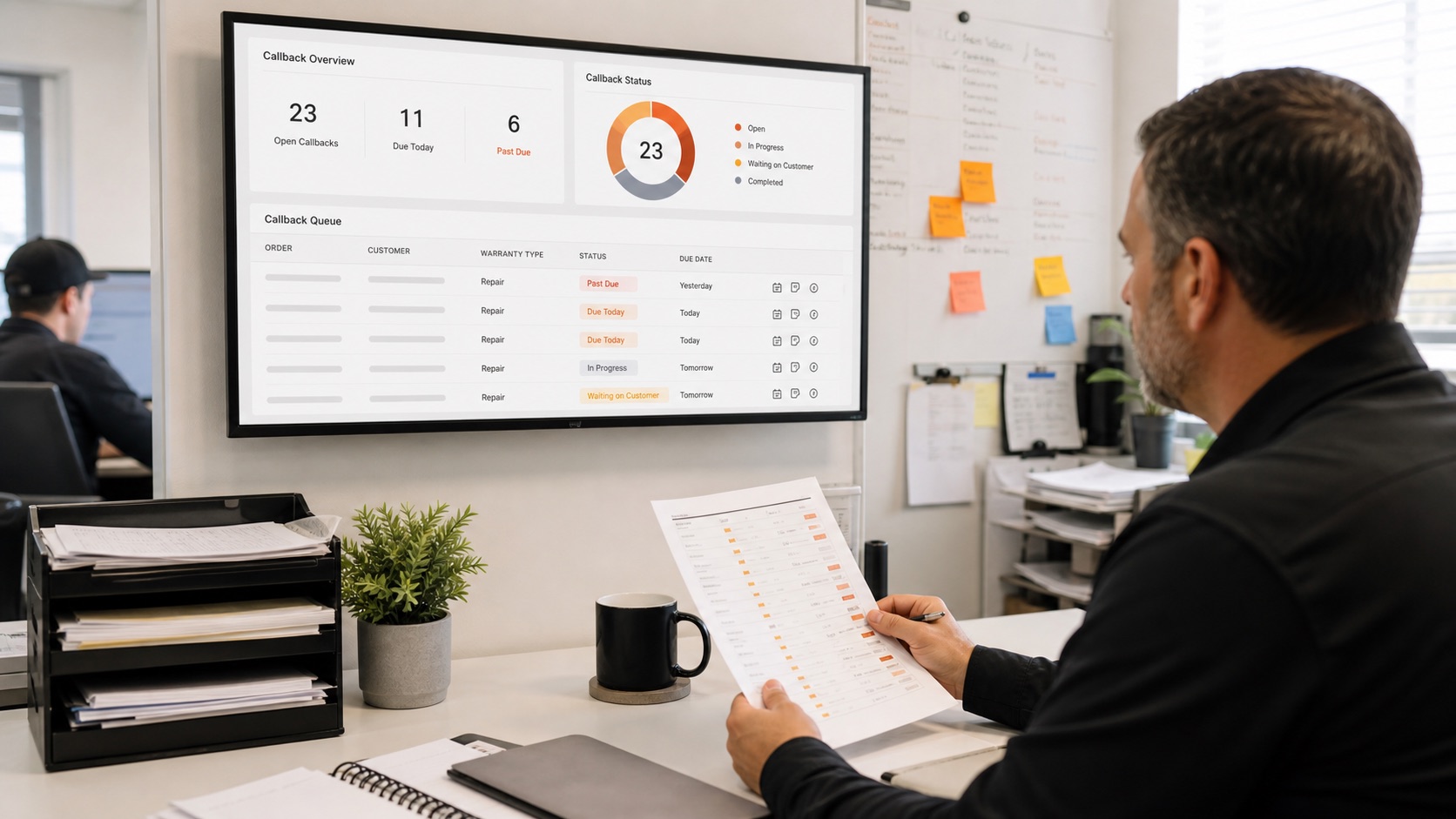
Protect the schedule with visible capacity. Callbacks are unpredictable, so define who can approve same-day displacement and which lower-priority work may move. Reserve realistic recovery capacity during peak periods when possible. Joby can help dispatchers see appointments and job context, but the team still makes the service-priority decision.
How Joby supports the workflow. Joby keeps customer history, jobs, appointments, dispatch activity, notes, photos, estimates, invoices, payments, communication, and tasks connected. Teams can use that record to assign the right return visit and preserve context. Joby does not automatically decide fault or choose the best technician.
The bottom line. Send the original technician when continuity improves the outcome and the response time still works. Override that rule for urgency, skill, availability, or supervision. Then document the cause and resolution so every callback improves the next job.